


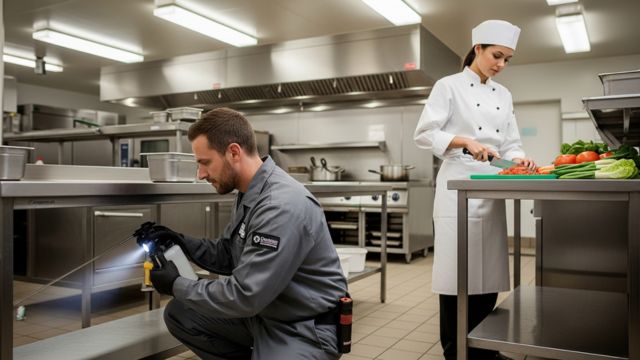
Keeping pests out of a restaurant is not a one-time effort. It is an ongoing process that requires consistency, awareness, and teamwork. A strong pest control restaurant checklist helps owners and staff stay proactive rather than reactive. By breaking responsibilities into daily, weekly, and monthly tasks, restaurants can maintain a clean environment, meet health standards, and protect their reputation without stress.
Why a Routine Pest Control Checklist Matters
Restaurants are naturally attractive to pests because of food, warmth, and moisture. Even a small lapse in cleanliness can invite insects or rodents. A pest control restaurant checklist provides structure, making sure no critical area is overlooked during busy shifts. When these tasks become part of routine operations, pest prevention blends seamlessly into daily workflows and reduces the risk of infestations.
Daily Tasks That Keep Pests Away
Daily habits form the foundation of effective pest control. Cleaning food preparation areas thoroughly after each shift is essential. All surfaces, cutting boards, and equipment should be wiped down to remove food residue and spills. Floors must be swept and mopped to eliminate crumbs that attract pests overnight.
Trash management is another crucial daily task. Garbage bins should be emptied regularly, cleaned, and kept tightly sealed. Waste left sitting, even for a few hours, can become a magnet for flies and rodents. Storage areas also deserve daily attention. Food should be stored in sealed containers, off the floor, and properly labeled to avoid spoilage and pest attraction.
Staff awareness plays a big role in daily pest control restaurant routines. Employees should be encouraged to report any signs of pests immediately, such as droppings, unusual smells, or damaged packaging. Early detection makes a huge difference in preventing larger issues.
Weekly Tasks for Stronger Pest Prevention
Weekly tasks focus on deeper cleaning and closer inspection. Kitchen appliances such as ovens, refrigerators, and fryers should be moved and cleaned underneath and behind. These hidden spaces often collect grease and debris that pests love. Drains should be flushed and cleaned to prevent buildup that attracts flies and cockroaches.
A weekly walk-through of the entire restaurant helps identify potential entry points. Doors, windows, vents, and utility lines should be checked for gaps or cracks. Even small openings can become access routes for pests. Addressing these issues early strengthens the overall pest control restaurant strategy.
Storage areas also benefit from weekly organization. Shelves should be wiped down, expired items removed, and inventory rotated. This practice not only improves food safety but also eliminates conditions that encourage pest activity. When everything has a proper place, pests have fewer opportunities to settle in.
Monthly Tasks That Support Long-Term Control
Monthly pest control restaurant tasks are more strategic and preventative in nature. This is the time to review overall sanitation practices and make improvements where needed. Deep cleaning schedules should be assessed to ensure all areas, including ceilings, vents, and less-used storage rooms, are addressed.
Professional inspections are often part of monthly routines. Working with an experienced pest control provider allows for detailed assessments and targeted treatments. A trusted service like The Pied Piper can help identify risk areas, adjust prevention plans, and ensure compliance with food safety regulations, giving restaurant owners peace of mind.
Documentation is another important monthly responsibility. Keeping records of cleaning schedules, inspections, and pest control visits is essential for health inspections. These records demonstrate commitment to cleanliness and proactive management, which inspectors appreciate and reward.
Training and Team Accountability
A pest control restaurant checklist is only effective if everyone follows it. Ongoing staff training ensures that employees understand why each task matters. When team members know how their actions impact pest prevention, they are more likely to stay consistent and accountable.
Assigning clear responsibilities helps avoid confusion. When daily, weekly, and monthly tasks are shared across the team, nothing falls through the cracks. This collective effort creates a culture of cleanliness that supports long-term pest control success.
Adapting the Checklist to Your Restaurant
No two restaurants are exactly alike. The best pest control restaurant checklist is flexible and tailored to your specific layout, menu, and operating hours. Seasonal changes, local pest trends, and business growth may require adjustments to routines. Regularly reviewing and updating the checklist ensures it remains effective and relevant.
Consistency Is the Key to Pest-Free Operations
The true power of a pest control restaurant checklist lies in consistency. Small daily actions, combined with weekly and monthly efforts, create a strong defense against pests. Instead of reacting to problems, restaurants stay ahead of them, protecting their customers, staff, and brand image.
By committing to a structured approach and making pest prevention part of everyday operations, restaurant owners can maintain a clean, safe, and welcoming environment. A well-maintained checklist is more than a set of tasks; it is a practical tool that supports long-term success and peace of mind in the fast-paced world of food service.